History and Story (from Greek ἱστορία, historia, meaning "inquiry")

Category: Uncategorized (Page 1 of 2)

Latest Great Course Wins 2025 Telly Awards Bronze

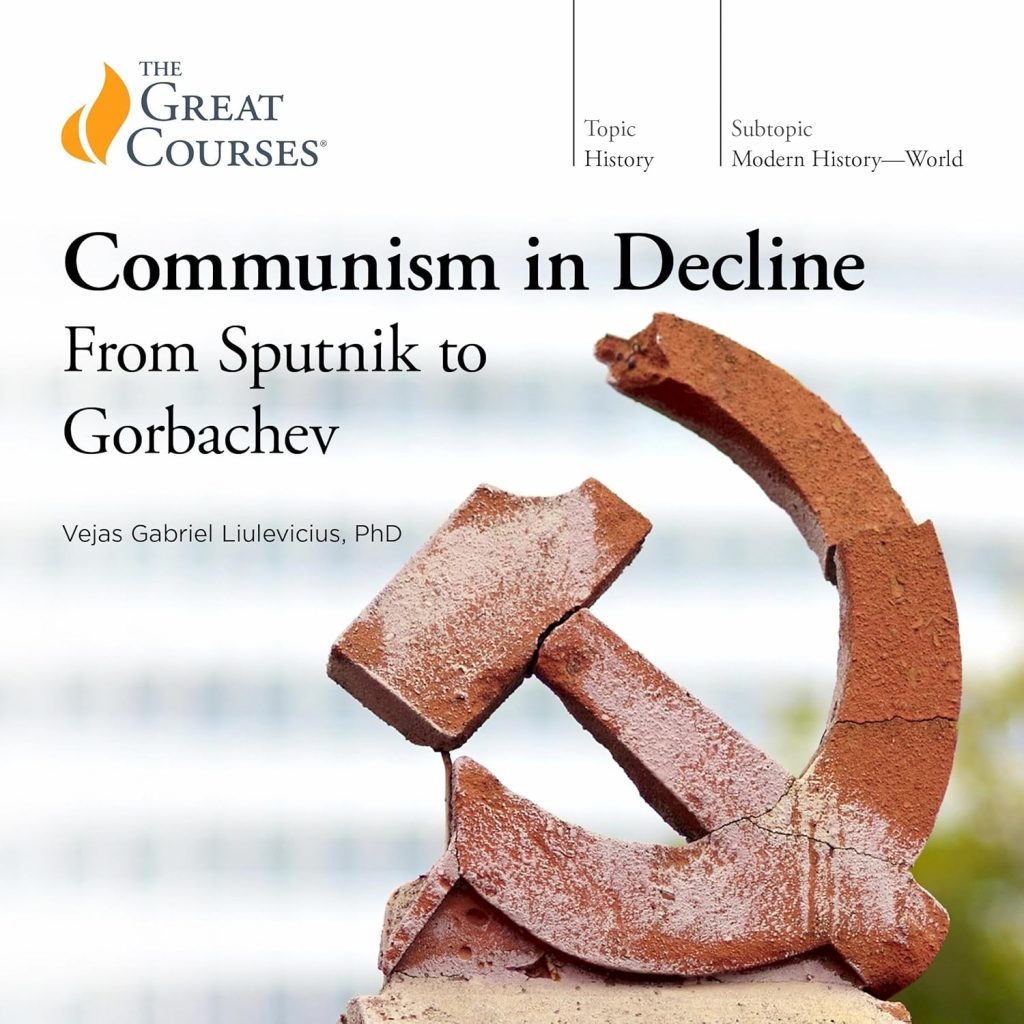
My latest Great Course, “Communism in Decline: From Sputnik to Gorbachev,” is a 2025 Telly Awards Bronze Winner in the Online General History category. Many thanks and congratulations to Paolo Serafini and Brandon Hopkins, who worked on the course!
Here’s the description of the Telly Awards from their website:

“The Telly Awards honor excellence in video and television across all screens. Founded in 1979 to honor local, regional and cable television commercials, with non-broadcast video and television programming added soon after, the award has evolved with the rise of digital video to include branded content, documentary, social media, immersive and more.  The Telly Awards today celebrates the best work in the video medium in an exciting new era of the moving image on and offline.

The Telly Awards annually showcases the best work created within television and across video, for all screens. Receiving over 13,000 entries globally from 6 continents and all 50 states, Telly Award winners represent work from some of the most respected advertising agencies, television stations, production companies and publishers from around the world. The Telly Awards recognizes work that has been created on behalf of a client, for a specific brand and/or company (including your own) or self-directed as a creative endeavor.”

If you are interested in this or other courses, see: https://www.thegreatcoursesplus.com/catalogsearch/result/?search_param=all&catid=&q=vejas+liulevicius

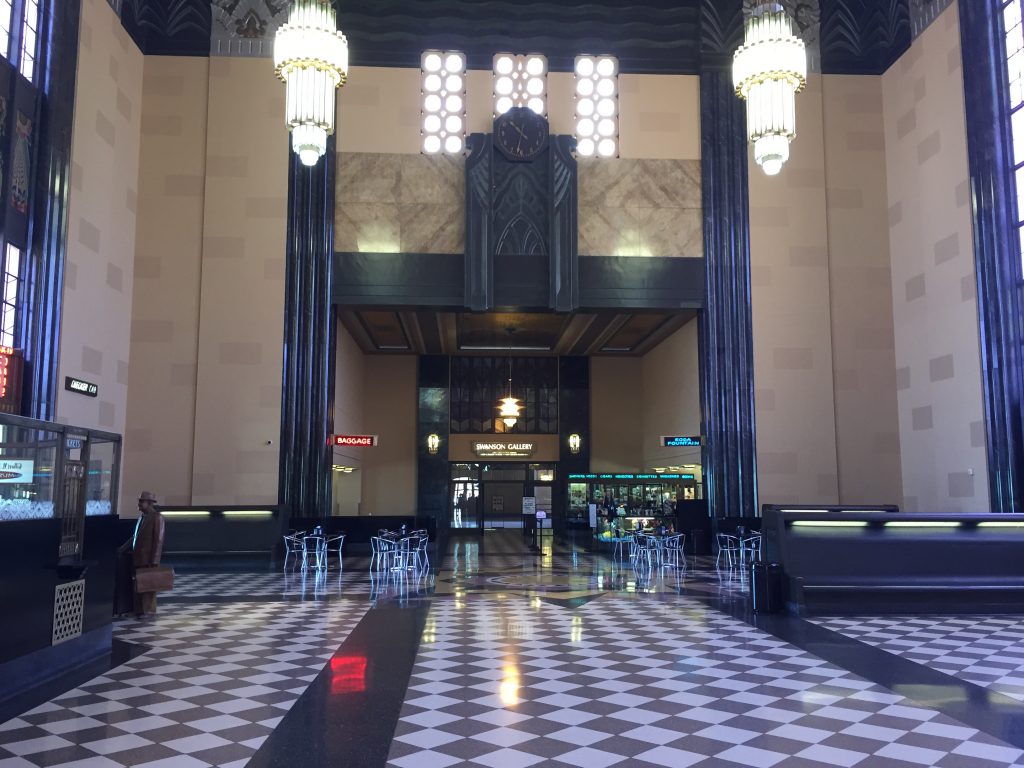
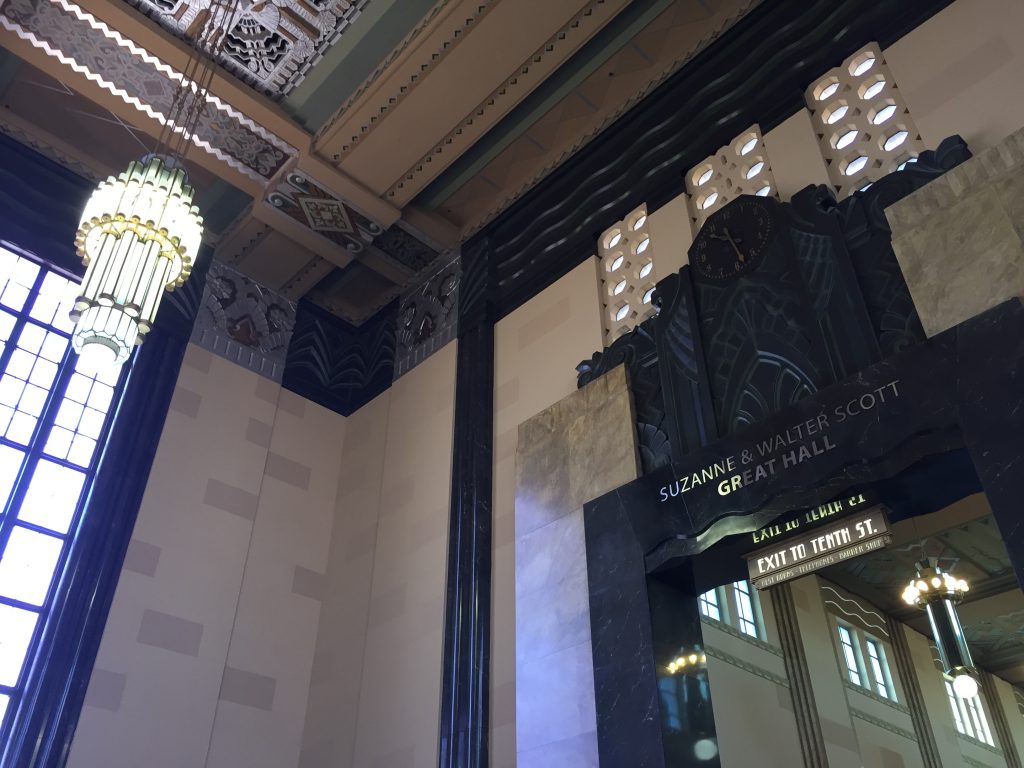
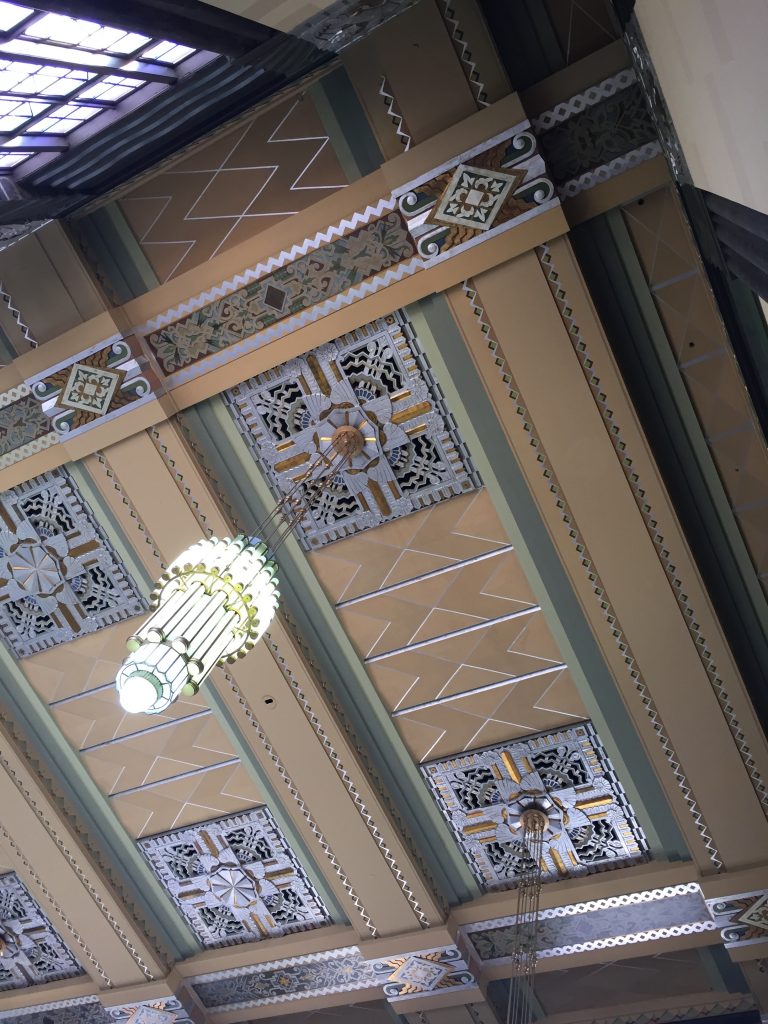
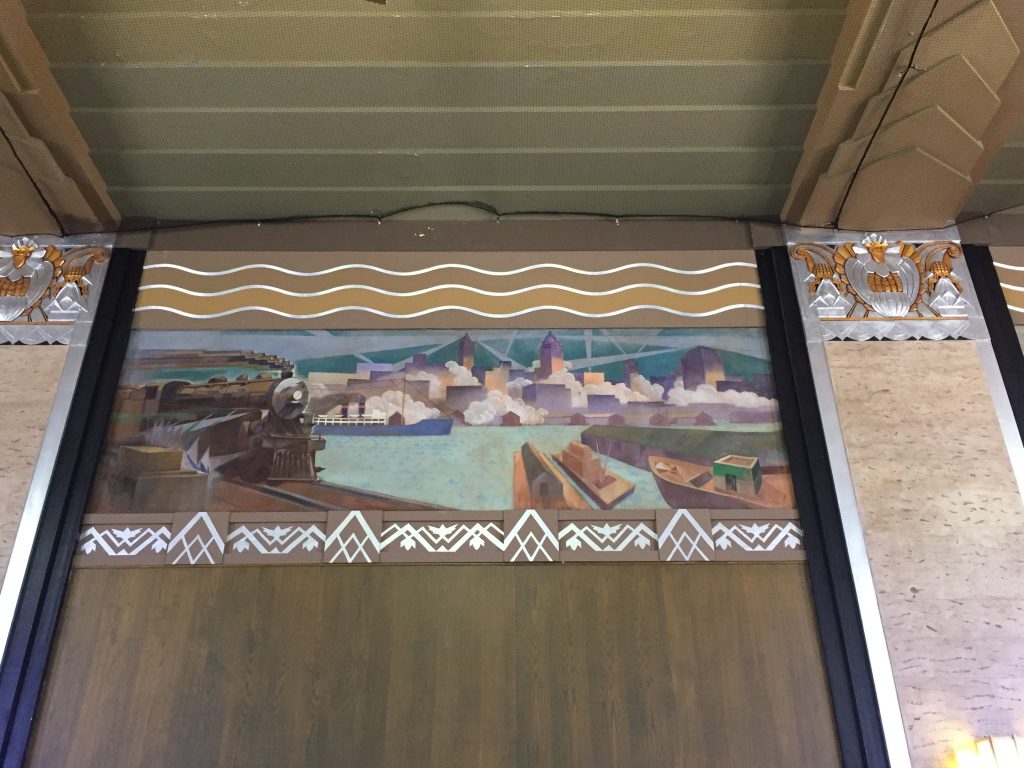
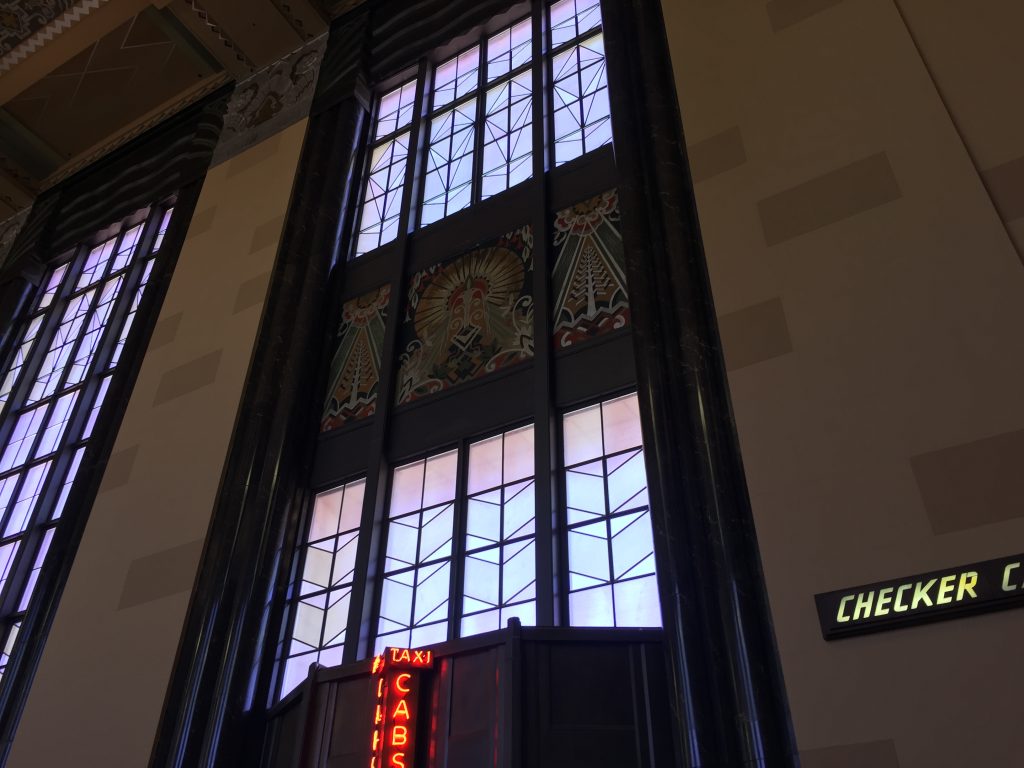
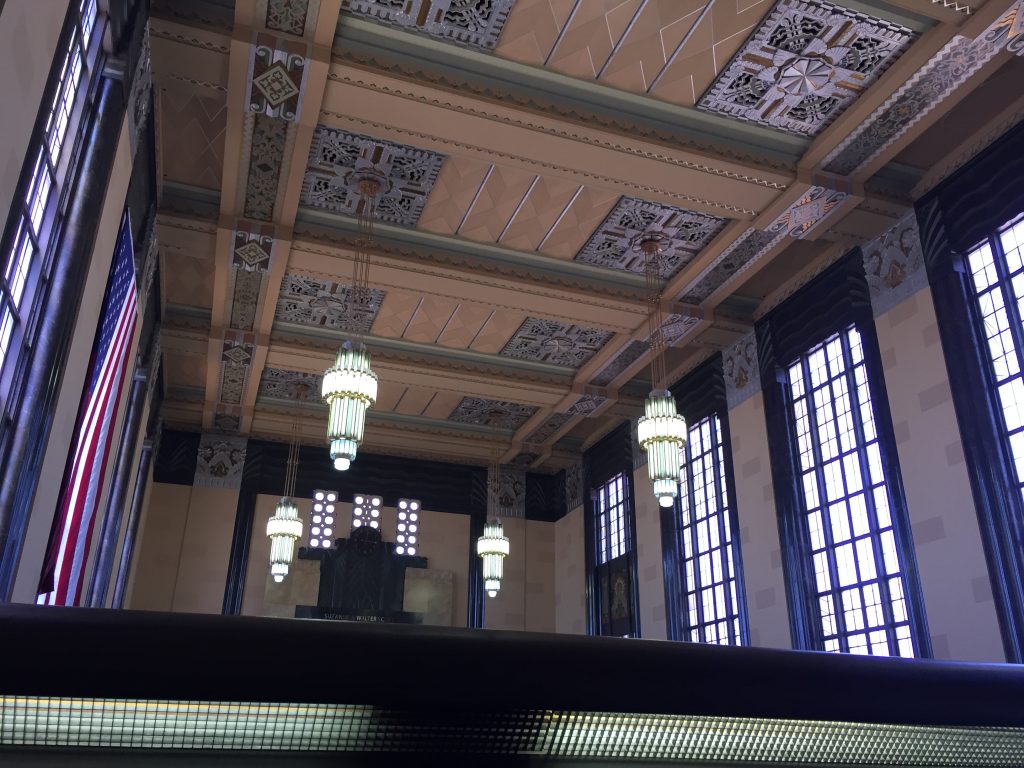
Unexpected History of Art Deco on the Great Plains: Omaha’s Durham Museum at Union Station

Art Deco was famed as an international style, from New York’s Empire State Building, to Kaunas, Lithuania. Add to that Art Deco in Nebraska, on the Great Plains! A wonderfully preserved assemblage of Art Deco elements and inspirations is Omaha’s Union Station, which began construction in 1929 and opened in 1931. Today it is the Durham Museum, so worth a visit.

As striking as the exterior is, inside (and available to view for visitors to the splendid museum) is much more.

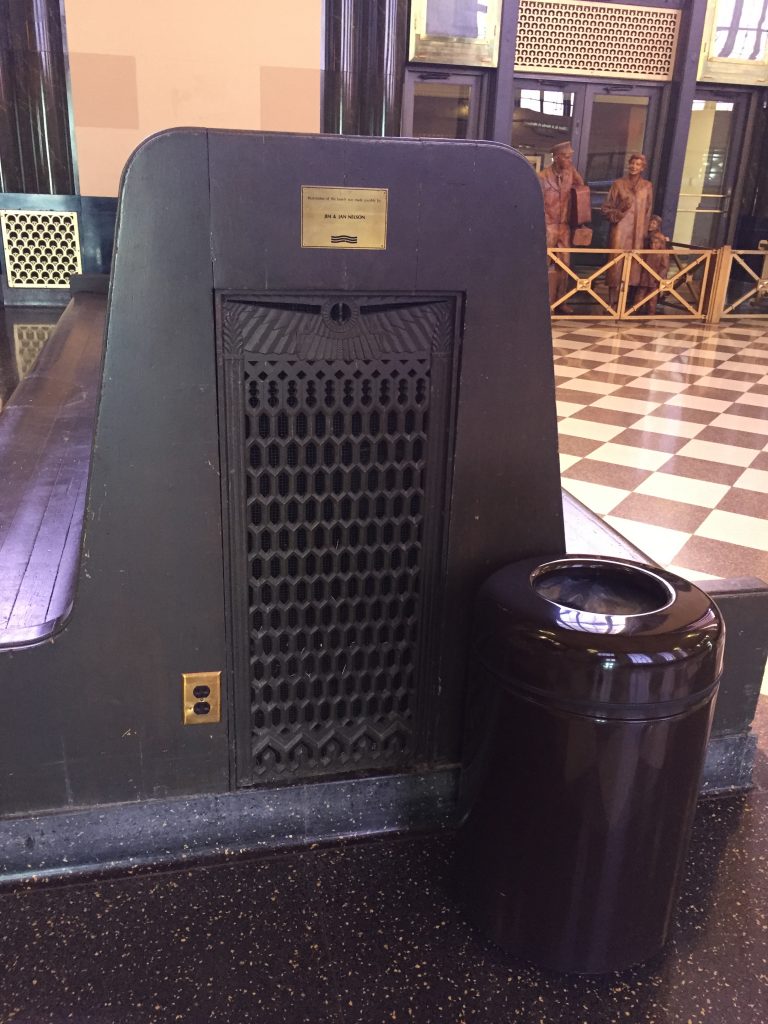
Even the benches in the waiting hall are marked by this style.

[Photos by Vejas Gabriel Liulevicius]

History and the Genius of Place: A View from Charleston

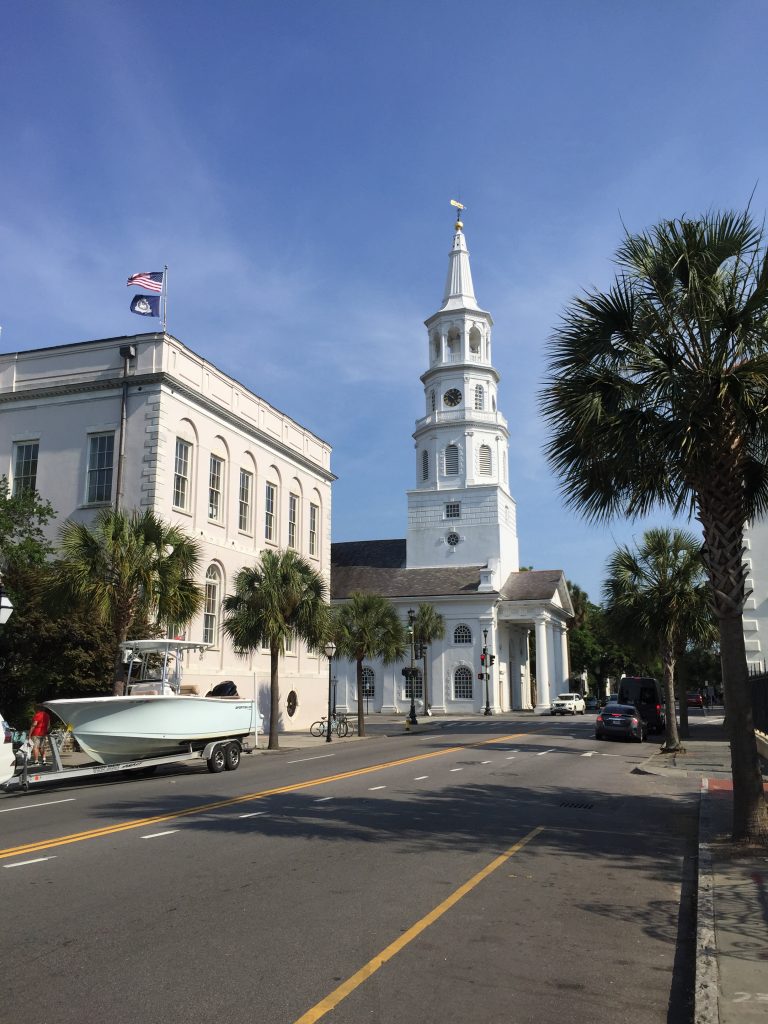
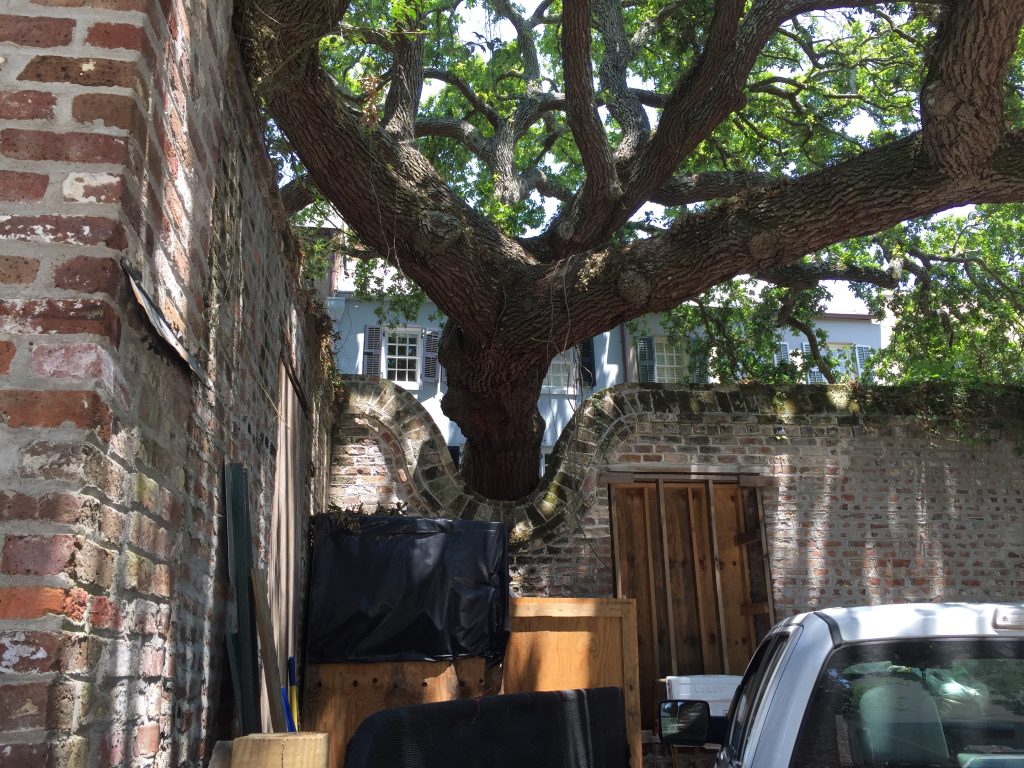
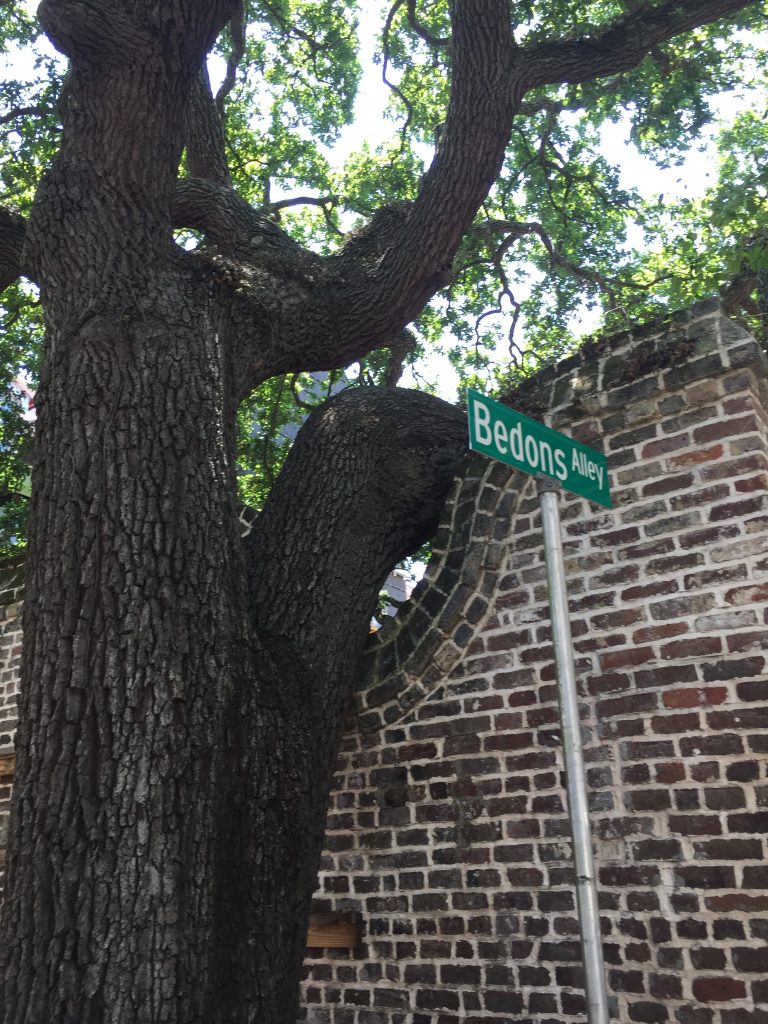
The beautiful city of Charleston, South Carolina, has a storied past, which includes present-day revival, earlier destruction in the Civil War, earthquake, and a series of fires, and before that, huge colonial wealth and commerce, which included the vast, tragic, and cruel history of the slave trade. A distinctive spirit hovers over this place. And here is an example of it, tucked into Bedons Alley amid the old town, which speaks volumes.

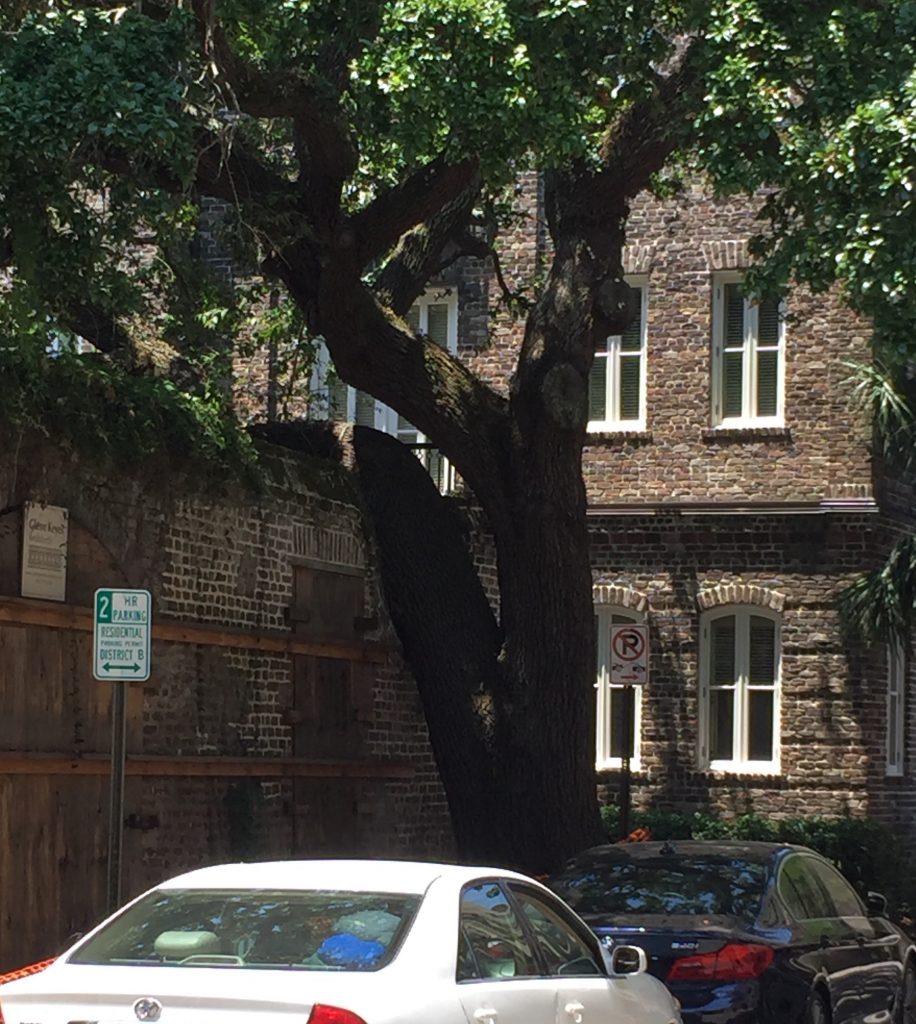
A live oak grew in proximity with an old wall, so at some point, rather than cut down the mighty tree, the wall was either built or rebuilt to accomodate it.

How fascinating it would be to have been able to listen in on the long-ago conversations that saved the long life of the tree. At this remove, we can only survey the scene which that decision produced.

[Photos by Vejas Gabriel Liulevicius]

The Amber Casket: From the Seabed to the Court

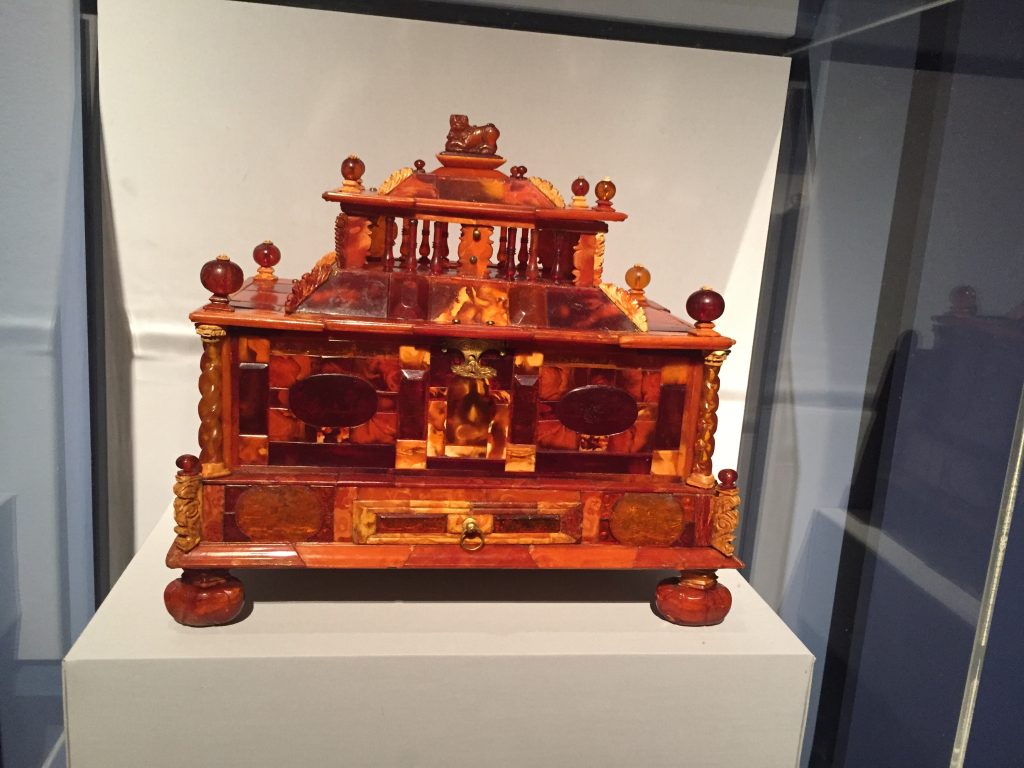
One of the featured objects in a wonderful exhibit at the Metropolitan Museum of Art in New York in 2019-20 was this amber casket. The exhibit was entitled “Making Marvels: Science and Splendor at the Courts of Europe”.

The casket was made around 1680 in Gdansk, which became renowned for its production of amber objects. Amber, fossilized prehistoric tree sap from the depths of the Baltic Sea was prized not only for its warm glow, but also for its supposed healing properties. What contents would be worthy of such a splendid container?

What the Tides Brought In

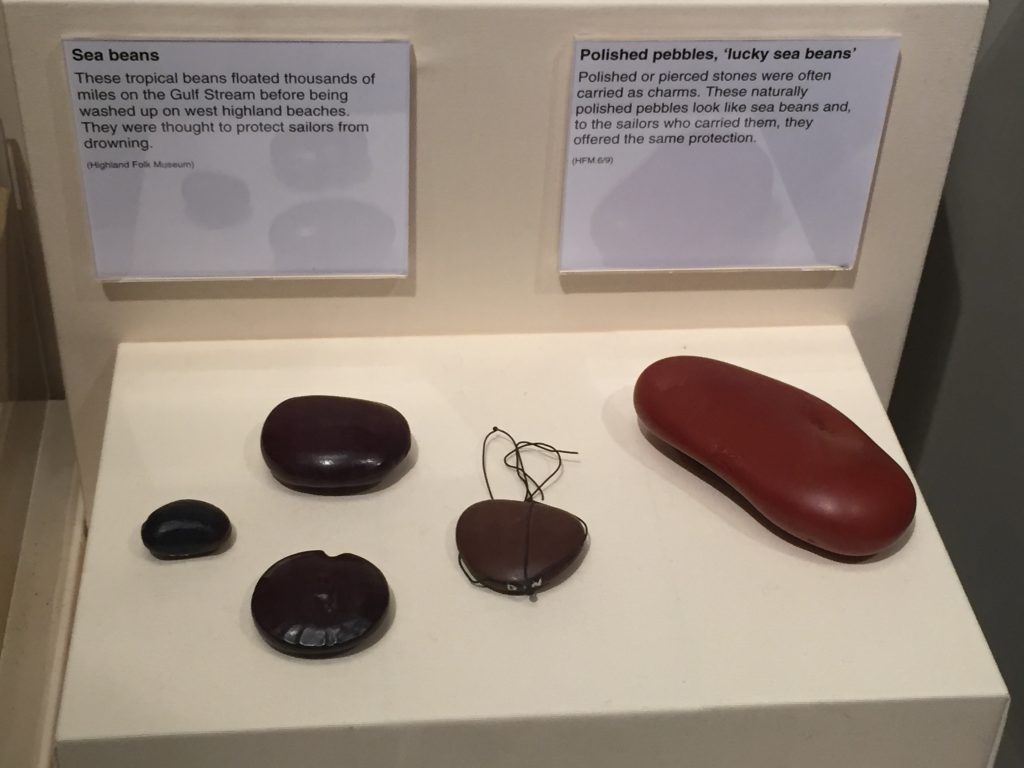
After years bobbing in the waves of the Atlantic, the “sea beans” from tropical climes finally wash up on the rocky shores of Scotland. A long, strange journey is completed, and they are objects of wonder.

In the Inverness Museum and Art Gallery in Scotland, an exhibit shows both the tropical beans carried across the Atlantic and attempts to mimic their alleged magic qualities. The travels of human beings intersect with the travels of objects.

Even Emperors Will Die

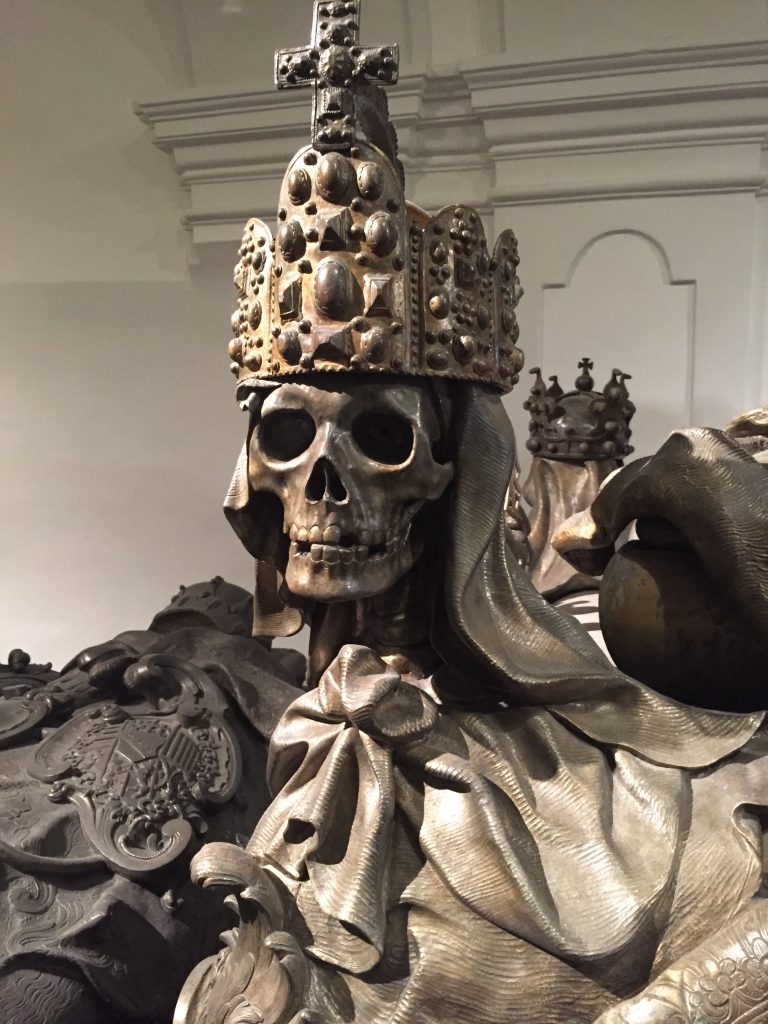
Down in the crypt of the Capuchin church in Vienna is an astonishing collection of final resting places, those of emperors, empresses, and members of the Habsburg imperial family. It is there for you to visit. Many complicated rituals surrounded the entombment of the Habsburgs over the centuries. Amid the rich symbolic language on evidence in the crypt are sculptures like this one showing a skeletal figure wearing the crown of the Holy Roman Empire, so long entrusted to the Habsburg family.

The message could not be clearer to all who viewed it: even emperors are finally mortal, and none will be spared the fate that awaits all humans. Amid pomp, at least the outward show of humility is evident. Sic transit gloria mundi.

(Photograph by Vejas Gabriel Liulevicius)

The Cycle of Dominion

A model that provokes questions is this rendering of a concept dating back to classical Greek and Roman thinkers, the cycle of political evolution, and forms of dominion. The Hellenistic historian Polybius (born c. 200 B.C.) sketched the notion of governmental forms that decay over time and turn into new structures.

Does the model seem useful? Or entirely wrong? Where would you say your society or polity is in this model? Where would you want it to be?

Empty Altars

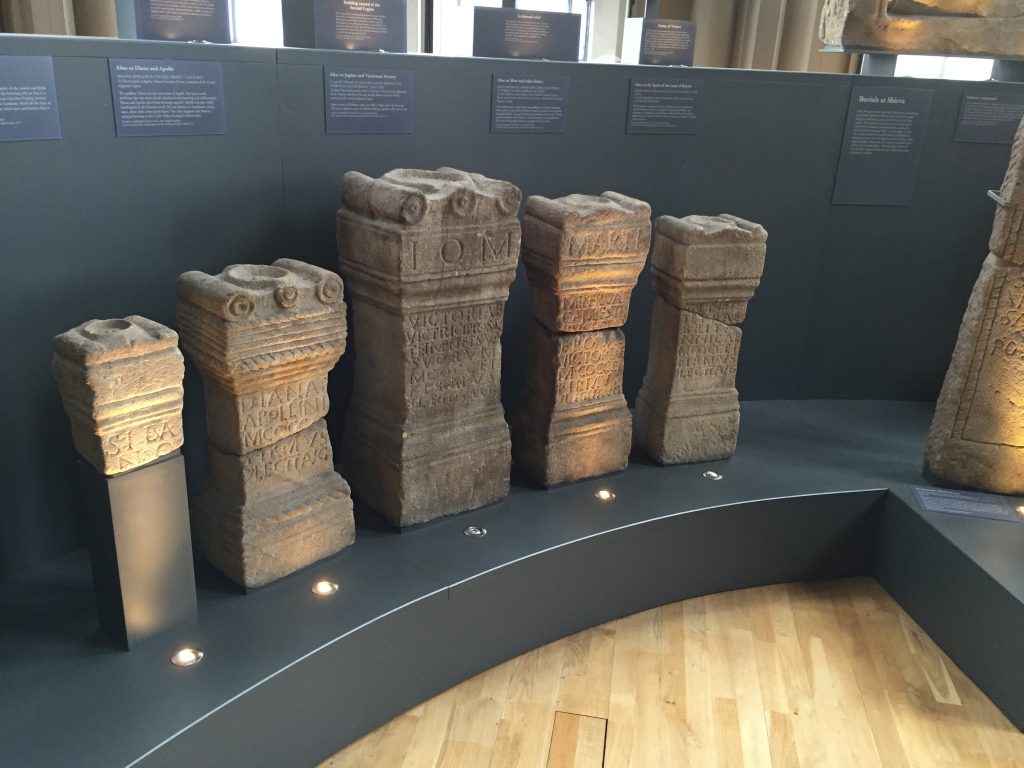
Now here is a premise for melancholy. In the splendid Hunterian Museum in Glasgow, Scotland, is a row of ancient Roman altars. They once stood at the northernmost fringes of the Roman Empire, near the Antonine Wall, built in the decades after 142 A.D.

Who was the last to use these altars and present gifts to Roman deities or local gods on their surfaces? Did worship endure longer at the borders of empire than within? In the end, were they toppled or simply forgotten and abandoned? If stones could speak…

(Photograph: Vejas Gabriel Liulevicius)

« Older posts

© 2026 Vejas Liulevicius

Theme by Anders NorenUp ↑